
This project was developed as a core component of the Sociology of Design course, focusing on the powerful intersection between visual communication and social responsibility.
The primary mission was to cultivate empathy and deepen public understanding of socially marginalized individuals while promoting equality through authentic storytelling. In today’s rapidly evolving society, social inclusion remains a critical challenge; many groups, including people with disabilities and the elderly, continue to face systemic barriers and discrimination.
My goal was to move beyond generic messaging and create a campaign that inspires genuine community solidarity and active support for inclusive initiatives.
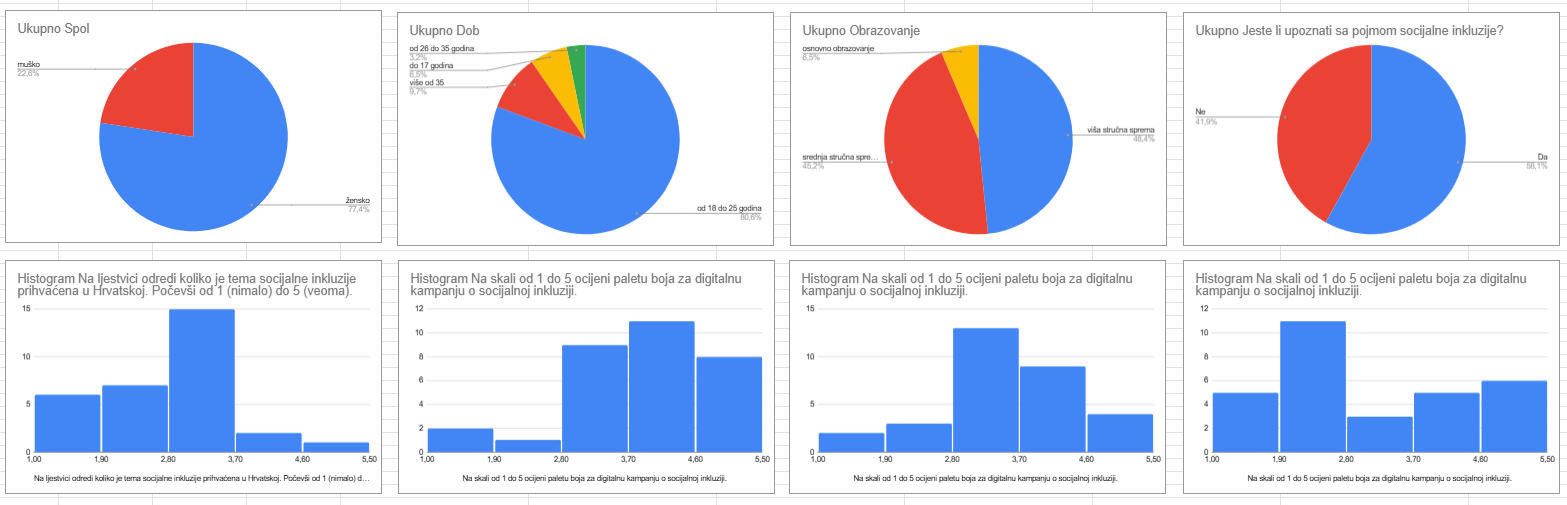
Results from the google forms questionare
The foundation of this campaign was built on primary research. Through a survey conducted at the start of the project, I discovered a significant awareness gap 40% of respondents were unfamiliar with the term "social inclusion." This insight shifted my strategy, highlighting the urgent need for educational content that defines inclusion not just as a concept, but as a practical, lived experience. By identifying that digital gaps and social stereotypes often deepen the isolation of vulnerable groups, I tailored the campaign to address these structural inequalities through modern, accessible communication.
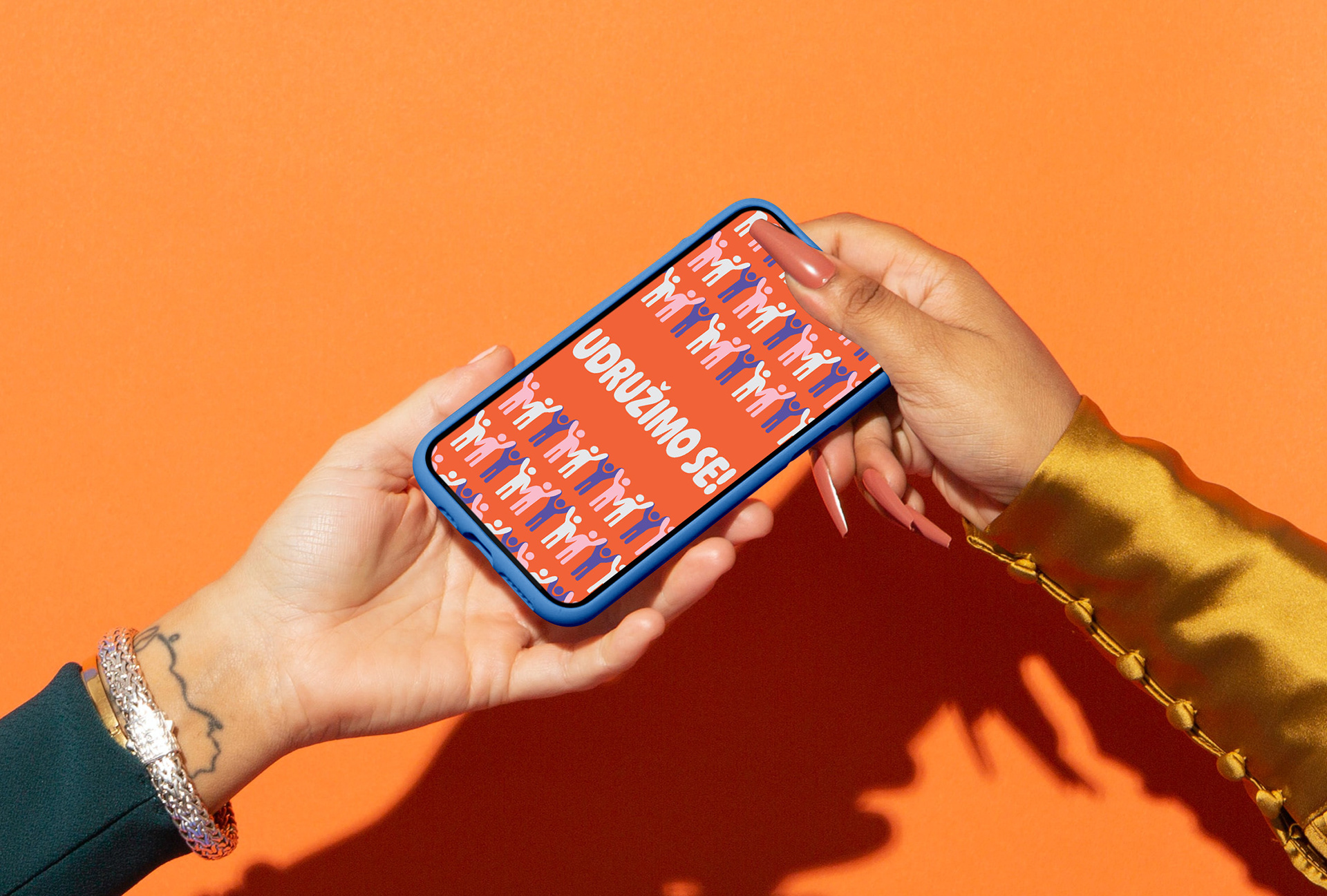

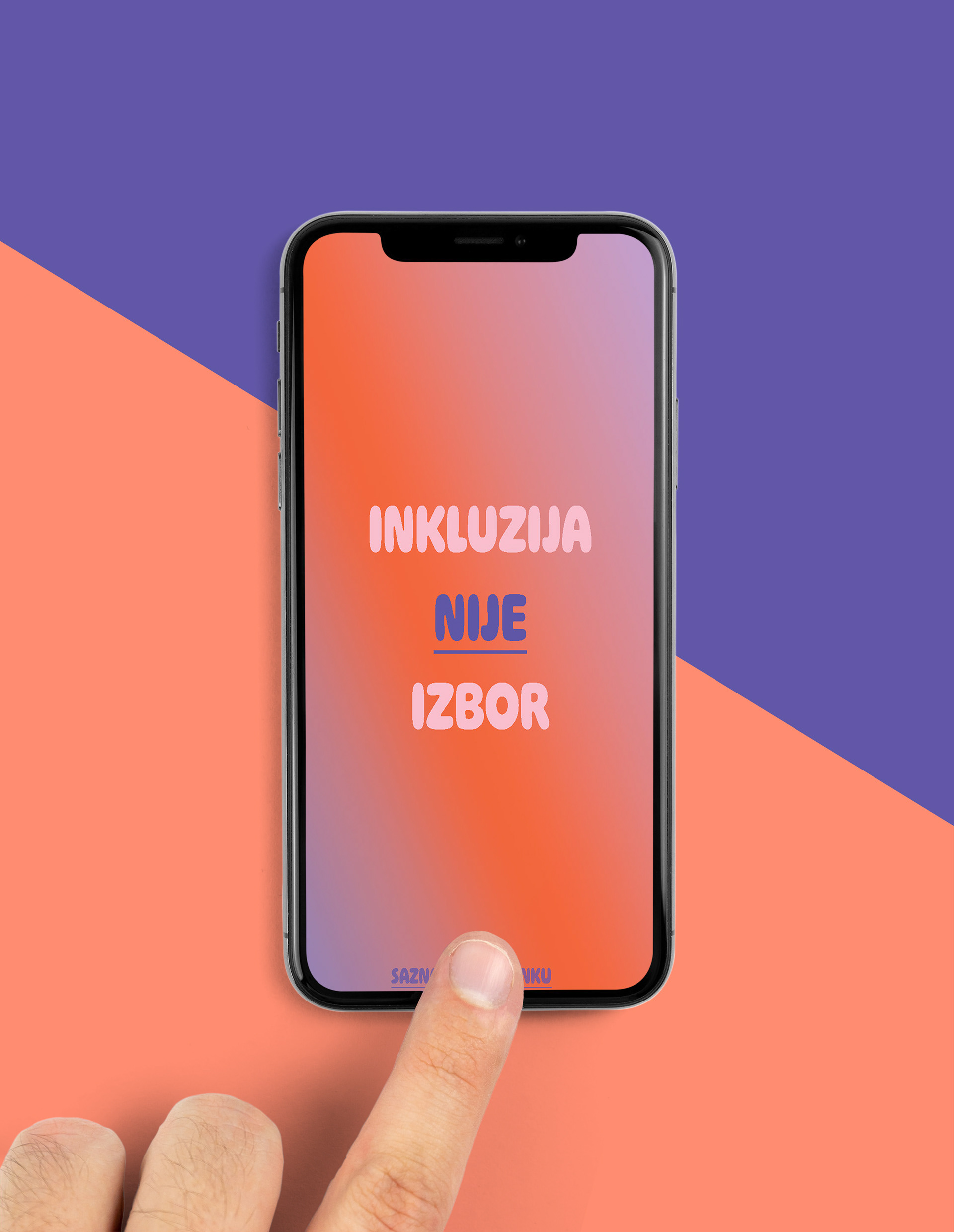
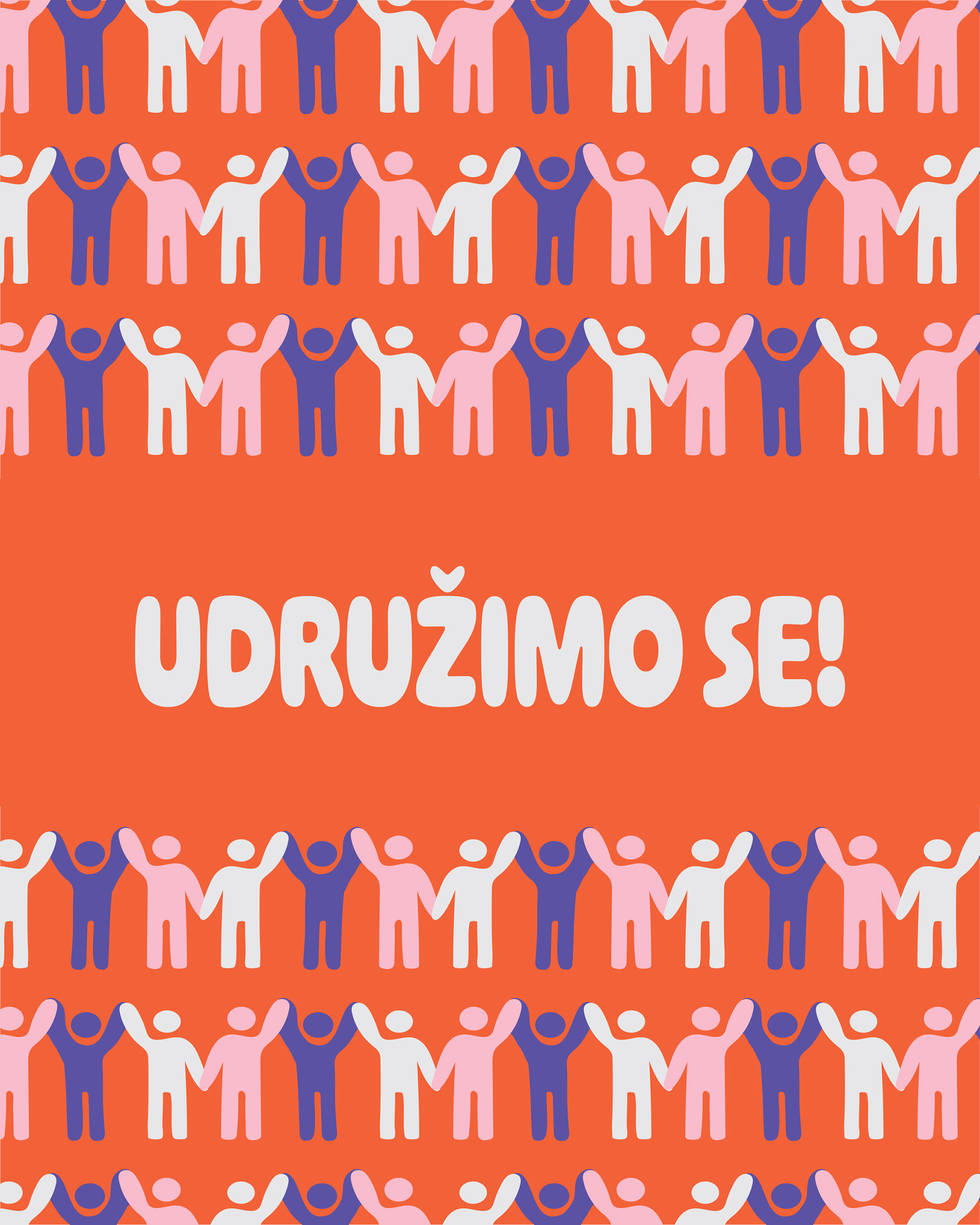
To reach a younger, socially conscious audience, I chose Instagram as the primary platform, utilizing high-impact visuals to deliver emotional and educational narratives. The campaign strategy was built on the idea that people respond to authenticity; they want to see real faces and hear real stories of individuals overcoming obstacles. Unlike many awareness campaigns that remain passive, this project was designed to be interactive, encouraging the audience to participate through polls, comments, and direct calls to action, such as volunteering or supporting specific inclusive organizations.
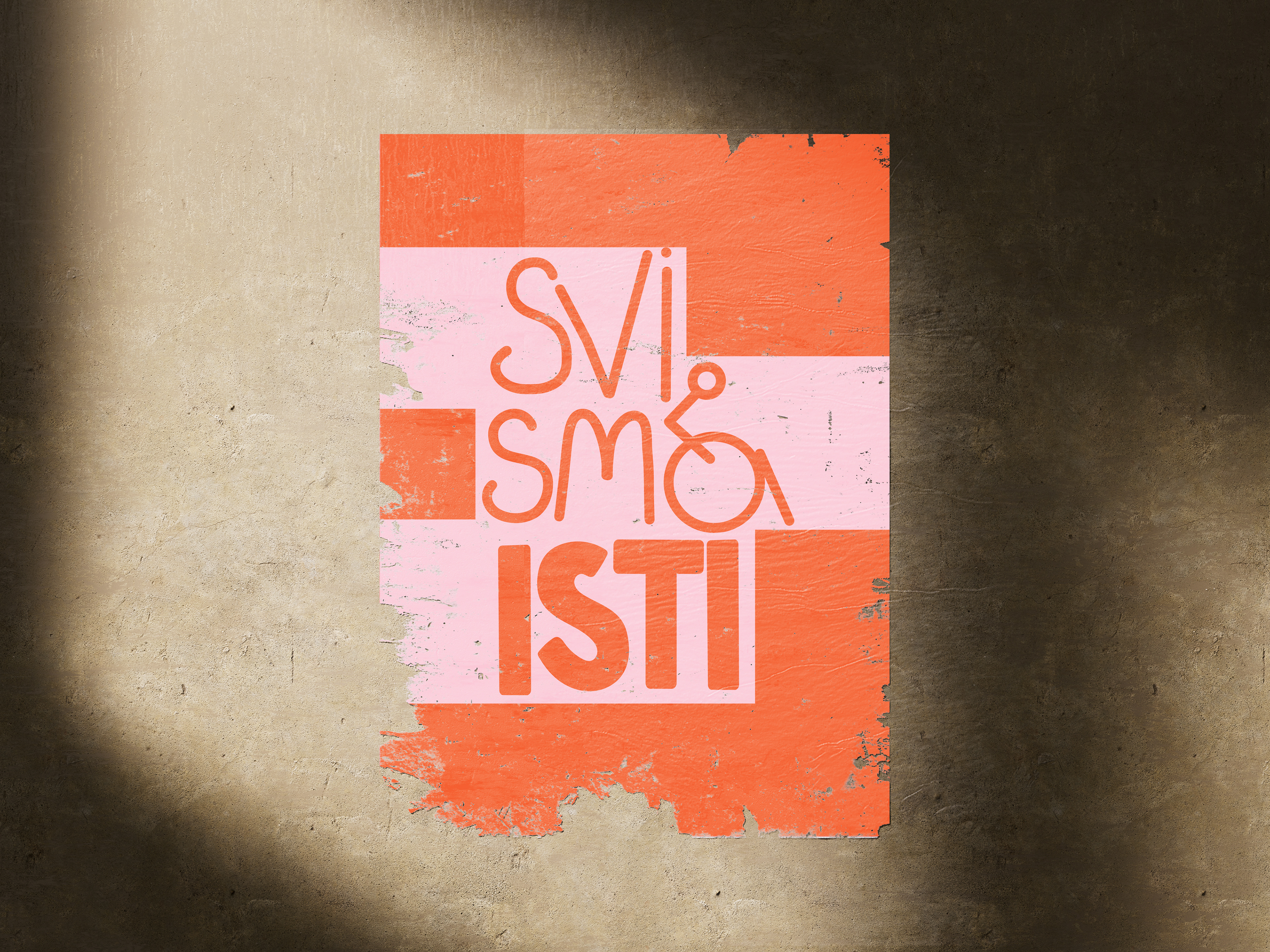
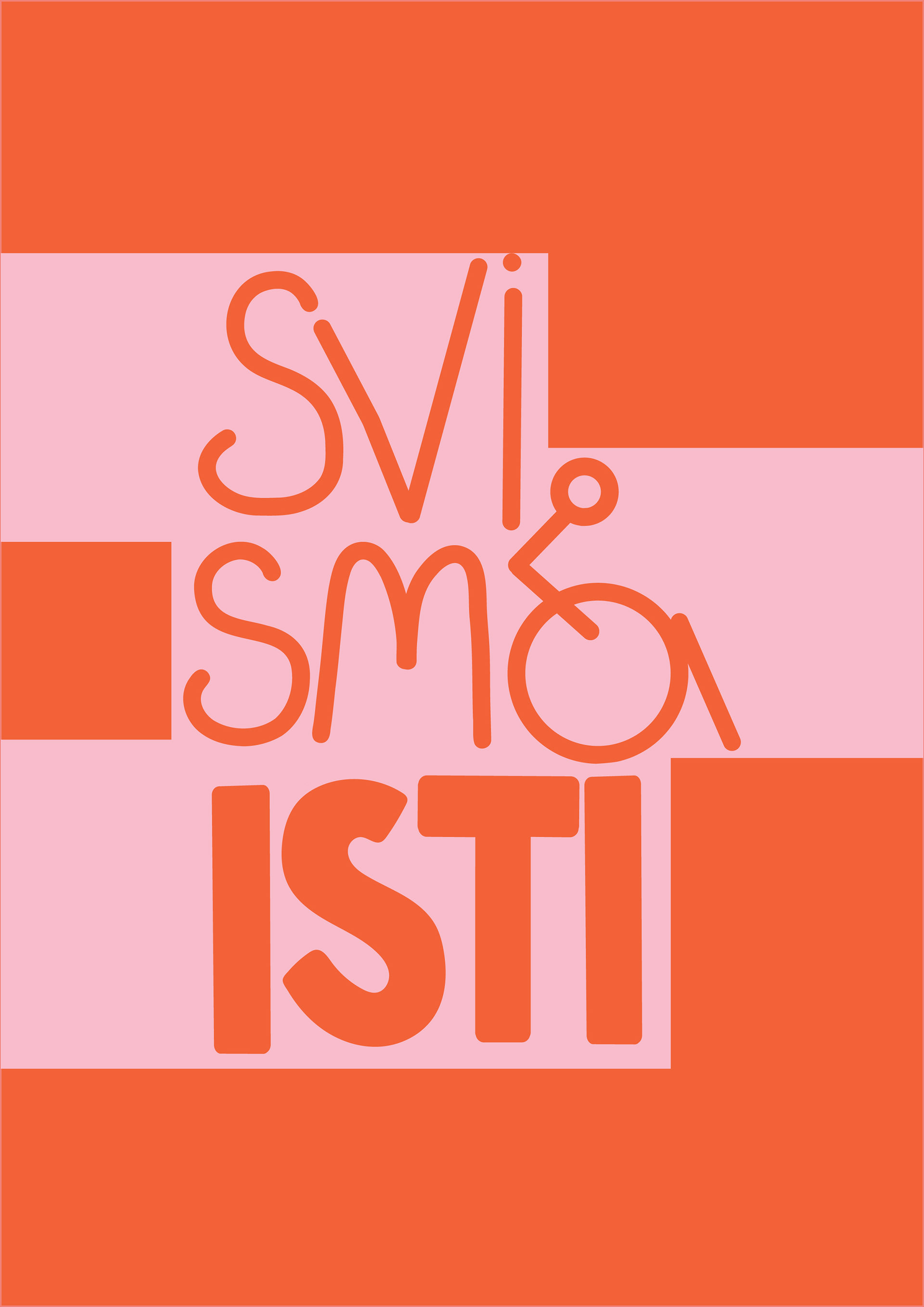

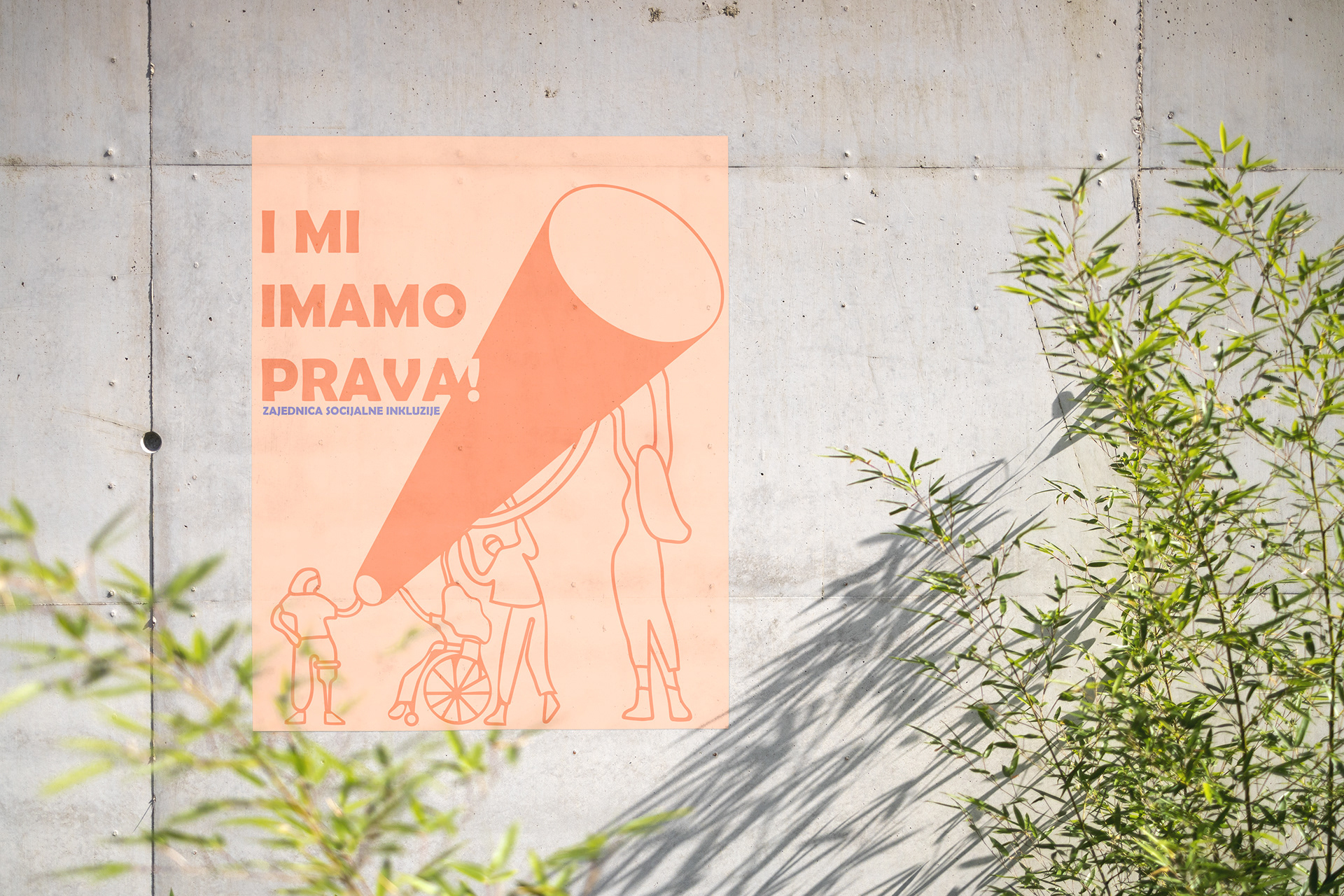
In addition to the digital assets, the project includes physical touchpoints like posters and flyers designed for schools and universities. This multi-channel approach ensures that the message of inclusion moves from the screen into the real world. Ultimately, this project demonstrates how design, when informed by sociological insights, can serve as a bridge between marginalized groups and the wider public, fostering a society where everyone has the opportunity to realize their full potential and contribute to the community.